
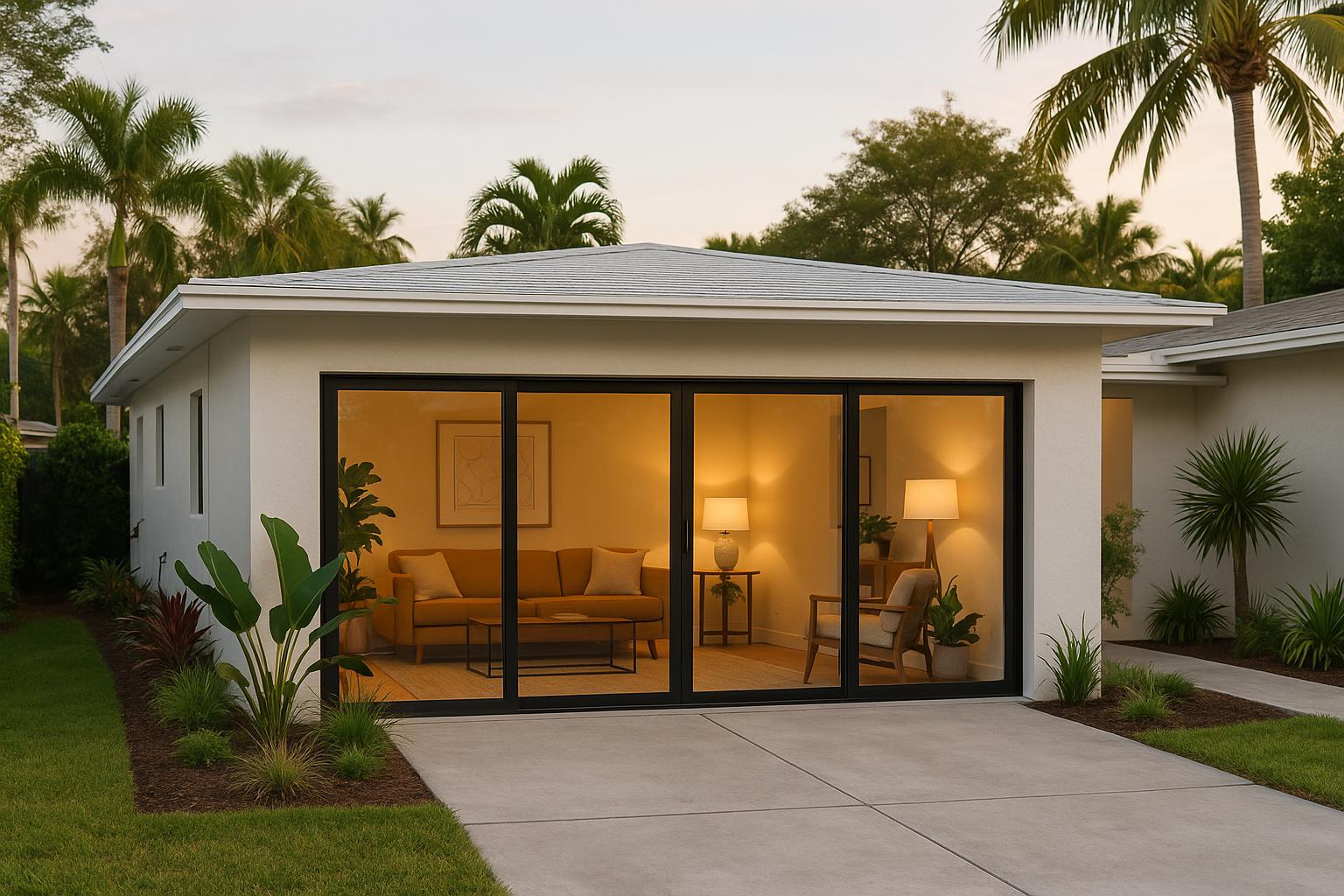
Why Miami Homeowners Are Converting Their Garages
If you've ever looked at your garage and thought, "We never actually park in here," you're not alone. Across Miami, homeowners are discovering that their underused garages represent some of the most valuable untapped square footage in their homes. Whether you need a home office, a rental unit, a guest suite, or extra living space for a growing family, a garage conversion can be one of the most cost-effective ways to add functional square footage without building from the ground up.
Unlike a full home addition that requires new foundation work and extensive structural engineering, a garage conversion starts with an existing structure — walls, a roof, and a concrete slab are already in place. That head start can translate into significant savings and a faster timeline. But before you start tearing out shelving and dreaming about paint colors, there are some important considerations every Miami homeowner should understand.
Understanding Miami's Permit and Zoning Requirements
One of the first questions homeowners ask is whether they need a permit to convert their garage. In Miami-Dade County, the answer is almost always yes. Converting a garage into habitable living space is considered a change of use, which triggers permitting requirements through the local building department.
Here's what you'll typically need to address:
- Zoning compliance: Your property must meet local zoning regulations, including setback requirements, lot coverage limits, and parking minimums. Some neighborhoods in Coral Gables, Kendall, and other communities have specific rules about maintaining a certain number of off-street parking spaces.
- Building permits: You'll need permits for structural modifications, electrical work, plumbing (if adding a bathroom or kitchenette), and HVAC installation.
- Florida Building Code: The converted space must meet current building code standards for habitable rooms, including requirements for ceiling height, ventilation, natural light, egress windows, and energy efficiency.
- HOA restrictions: If your home is in a community with a homeowners association, check the covenants before starting any work. Some HOAs in Doral and Miami Beach have strict rules about exterior modifications.
Skipping the permit process might seem tempting, but unpermitted work can lead to fines, complications when selling your home, and even orders to reverse the conversion. Working with an experienced contractor who understands local regulations can save you significant headaches down the road.
Key Design Considerations for Your Conversion
A successful garage conversion goes far beyond drywalling the walls and laying down flooring. To create a space that feels like a natural extension of your home, you'll want to think carefully about several design elements.
Flooring
Most garage floors are bare concrete slabs that sit slightly lower than the main house floor level. A good conversion plan addresses this height difference and includes proper moisture barriers — especially important in Miami's humid subtropical climate. Popular flooring options include luxury vinyl plank, tile, and polished concrete, all of which handle moisture well.
Insulation and Climate Control
Garages in South Florida are notoriously hot. Without proper insulation and air conditioning, your converted space will be uncomfortable for most of the year. Plan for insulating the walls and ceiling, replacing the garage door with a properly insulated wall (or converting it into a feature wall with windows or French doors), and extending or adding a dedicated HVAC system.
Natural Light
Garages tend to be dark, windowless boxes. Adding windows not only makes the space more inviting but is also required by code for habitable rooms. Consider where you can add windows or even a sliding glass door to bring in Miami's abundant natural light while maintaining privacy.
Electrical and Plumbing
Most garages have minimal electrical service — maybe a couple of outlets and a single overhead light. A livable space needs adequate outlets, lighting circuits, and potentially dedicated circuits for appliances. If you're adding a bathroom or kitchenette, plumbing work will be necessary, which may involve cutting into the concrete slab.
How Much Does a Garage Conversion Cost in Miami?
Costs vary widely depending on the scope of work, but here are some general ranges Miami homeowners can expect:
- Basic conversion (insulation, drywall, flooring, electrical upgrades, new wall replacing garage door): $15,000 – $30,000
- Mid-range conversion (everything above plus a bathroom, better finishes, HVAC modifications): $30,000 – $50,000
- High-end conversion (full ADU-style build-out with kitchen, bathroom, separate entrance, premium finishes): $50,000 – $80,000+
These figures can fluctuate based on material costs, the condition of your existing garage, and the complexity of the design. Compared to a ground-up addition, which can easily exceed $200 per square foot in Miami, a garage conversion typically offers a much better return on investment.
Garage Conversion vs. ADU: What's the Difference?
You may have heard the terms used interchangeably, but there's an important distinction. A garage conversion transforms your existing attached or detached garage into livable space. An accessory dwelling unit (ADU) is a fully independent living unit with its own kitchen, bathroom, and entrance — which a garage conversion can become, but doesn't have to be.
If your goal is to create a rental unit or a fully self-contained space for a family member, you'll want to design the conversion as an ADU. This typically involves more extensive plumbing and electrical work, a full kitchen, and compliance with additional regulations. Miami-Dade County has been increasingly supportive of ADU development, making this an attractive option for homeowners looking to generate rental income in areas like Hialeah and beyond.
Timeline: How Long Does a Garage Conversion Take?
A typical garage conversion in Miami takes four to eight weeks of active construction, depending on the scope. However, the permitting process can add several weeks to the overall timeline. Here's a rough breakdown:
- Design and planning: 1–2 weeks
- Permitting: 2–6 weeks (varies by municipality)
- Construction: 4–8 weeks
- Final inspection and approval: 1–2 weeks
Starting the design and permitting process early is the best way to keep your project on schedule. An experienced local contractor can often expedite the process by submitting complete, code-compliant plans from the start.
Is a Garage Conversion Worth It?
For most Miami homeowners, the answer is a resounding yes. You're adding usable square footage at a fraction of the cost of new construction, potentially increasing your property value, and solving a real space problem — whether that's a need for a home office, a place for aging parents, or a source of rental income in one of the country's most competitive housing markets.
The key to a successful conversion is working with a remodeling team that understands Miami's building codes, climate challenges, and design possibilities. A well-executed garage conversion doesn't just add space — it transforms how you use and enjoy your home.
If you're considering a garage conversion and want to understand what's possible for your specific property, reach out to our team at ADU Builders Miami. We'll walk you through the process from initial design through final inspection, ensuring your new space is everything you envisioned.